
The Role of Micro-Adventures in Modern Life: Short Trips as a Way to Relieve Stress and Find Inspiration
- Pages: 5
- Word count: 1198
- Category: Life
A limited time offer! Get a custom sample essay written according to your requirements urgent 3h delivery guaranteed
Order NowThe fast pace of modern life leaves little time for proper rest. Work, studies, social media, and daily responsibilities create constant tension that can negatively affect health and creativity. In this context, micro-adventures—short, spontaneous trips or activities that take people out of their usual routine—become an important tool for restoring energy, reducing stress, and gaining new experiences. This topic is relevant for busy professionals, students, parents, and anyone seeking emotional and creative balance.
What Micro-Adventures Are and Why They Are Relevant Today
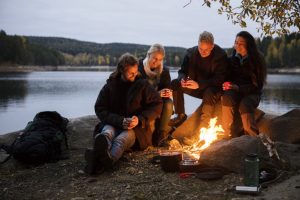
A micro-adventure is not a long journey to another country, but a short trip or activity that pushes a person out of their comfort zone. It can last only a few hours or a weekend, require minimal financial resources, and be organized spontaneously. Examples include hiking in a nearby forest, camping on the city outskirts, cycling along new routes, or exploring an unfamiliar neighborhood in one’s own city.
Historical and Cultural Context
The idea of micro-adventures arose as a response to urbanization and the acceleration of daily life. In the early 20th century, travel and exploration were available to only a few, but by the late 20th century, mass tourism made trips commonplace, while information technology accelerated life’s pace. In such conditions, short and simple adventures became a way to maintain contact with nature and one’s own self without spending significant time or resources.
Culturally, micro-adventures respond to the demand for mindfulness and meaning. Modern society experiences information overload, stress, and emotional burnout. Small trips help people temporarily disconnect from the digital world, restore attention, and find inspiration.
Psychological and Social Benefits of Micro-Adventures
Micro-adventures offer multiple benefits for mental and physical well-being.
Stress Reduction and Cognitive Restoration
Cognitive psychology research shows that a change of scenery and contact with nature reduces cortisol levels—a stress hormone—and improves attention. Even a short walk in the forest or park can improve mood and reduce anxiety. Unlike passive leisure, such as watching TV, micro-adventures activate both the body and the brain, creating an emotional reset.
Stimulating Creativity and Finding Inspiration
Changing one’s usual environment allows the brain to form new associations. Artists, writers, and designers often note that new experiences generate ideas that are hard to find in familiar surroundings. For example, Julian Kayfman’s study on the link between walking and creative thinking showed that even a short outdoor walk increases idea generation. Micro-adventures, being accessible and spontaneous, allow people to regularly receive such stimuli.
Developing Social Skills and Strengthening Relationships
Many micro-adventures are undertaken with friends, family, or colleagues. Shared activities create positive emotions, strengthen trust, and improve mutual understanding. Even solo trips teach self-organization, communication with strangers, and adaptation to new conditions, which is especially important in today’s world, where flexibility and problem-solving are highly valued.

Practical Aspects of Organizing Micro-Adventures
Organizing micro-adventures does not require complicated planning, but there are several principles that help maximize the benefits.
Minimizing Costs and Accessibility
The main advantage of micro-adventures is their accessibility. Often, there is no need to book hotels or buy expensive tickets. Cycling trips, nearby forest hikes, camping, or visiting a neighboring town provide the thrill of adventure with minimal expenses. Affordability makes these activities available to students, young professionals, and families with limited budgets.
Spontaneity and the Element of Surprise
Micro-adventures are often valued for their unpredictability. A spontaneous decision to spend the weekend at a lake or explore a new route stimulates novelty and excitement. At the same time, balance is important: excessive chaos and lack of preparation can create stress instead of relaxation. The optimal approach is to ensure basic safety while leaving room for improvisation.
Integration with Everyday Life
For a lasting effect, micro-adventures should fit into daily routines. For example, regular weekend bike rides or short evening hikes help maintain emotional balance continuously. Integrating them into everyday life is important because rare, large trips do not provide the same restorative effect and may even be stressful due to logistics.
Examples of Successful Micro-Adventures
| Type of Adventure | Duration | Benefits |
|---|---|---|
| Cycling in a new neighborhood | 2–3 hours | Physical activity, new experiences, boosts creativity |
| Overnight camping | 1–2 days | Contact with nature, stress reduction, survival skills development |
| Day trip to a neighboring town | 1 day | Cultural enrichment, change of environment, new impressions |
| City mini-breaks | A few hours | Minimal cost, emotional reset, opportunity for spontaneous exploration |
| Activities with friends | A few hours | Social interaction, relationship building, shared creativity |
Limitations and Potential Risks of Micro-Adventures
Despite numerous benefits, micro-adventures have their limitations.
Physical and Safety Considerations
Even short hikes can carry the risk of injury or hypothermia if weather, terrain, or physical fitness are not considered. Safety should be a priority, especially with children or older participants.
Psychological Stress
For some individuals, spontaneity may cause anxiety. If a person is uncomfortable with uncertainty, a micro-adventure may become a source of stress rather than relaxation. It is important to choose formats that match personal comfort levels.
Time and Resource Constraints
Even short trips require time and planning. For busy professionals, micro-adventures may remain unrealized. The solution is to plan minimal versions in advance and integrate them into daily life without pressure.
How Micro-Adventures Influence Lifestyle and Personal Development
Regular micro-adventures encourage habits of mindful relaxation and adaptive skills. They teach people to value the process, not just the outcome, build resilience to stress, and foster curiosity and creative thinking.
Socially, micro-adventures strengthen communities and improve the quality of shared experiences. They also enhance ecological awareness—people notice their surroundings more, care for nature, and take initiatives to protect local environments.
Key Takeaways
-
Micro-adventures are an accessible and spontaneous way to restore energy and reduce stress.
-
They enhance creativity by stimulating new associations and ideas.
-
Shared activities strengthen social bonds and develop communication skills.
-
Safety planning minimizes risks and ensures a positive experience.
-
Integrating micro-adventures into daily life provides lasting benefits.
-
Personal comfort and psychological traits influence the choice of format.
-
Regular micro-adventures foster mindfulness, curiosity, and environmental responsibility.
In Summary
Micro-adventures are not just leisure activities—they are a tool for maintaining mental health, creativity, and social engagement. Even short and simple activities integrated into daily life help restore resources, create new experiences, and build sustainable habits. In a world where stress and information overload have become the norm, micro-adventures offer an accessible and effective strategy for personal growth and emotional well-being.